
Demystifying Cards: Types of Cards
Before we dive deeper into the card programme world, you’ll need some useful context to the card and payments landscape. For example, how has the card ecosystem evolved into the trillion dollar industry it is today? And, just as important, what trends will shape the card ecosystem of tomorrow?When you think about the simplicity, ease and convenience of payment cards , it’s a wonder cash has lasted this long. Now throw in technological advances, innovations from the fintech world, changing shopping habits, and a pandemic, and the future of cash is looking ever bleaker. The truth is, using physical currency to pay for goods and services may become obsolete.
“The total number of non-cash payments in the euro area, comprising all types of payment services[2], increased by 8.1% to 98.0 billion in 2019 compared with the previous year, with a total value of €162.1 trillion. Card payments accounted for 48% of all transactions, while credit transfers accounted for 23% and direct debits for 22%.”Source: European Central Bank
Now, before we dive into what the future might hold for card payments, let’s look at some notable moments in the evolution of modern-day cards.
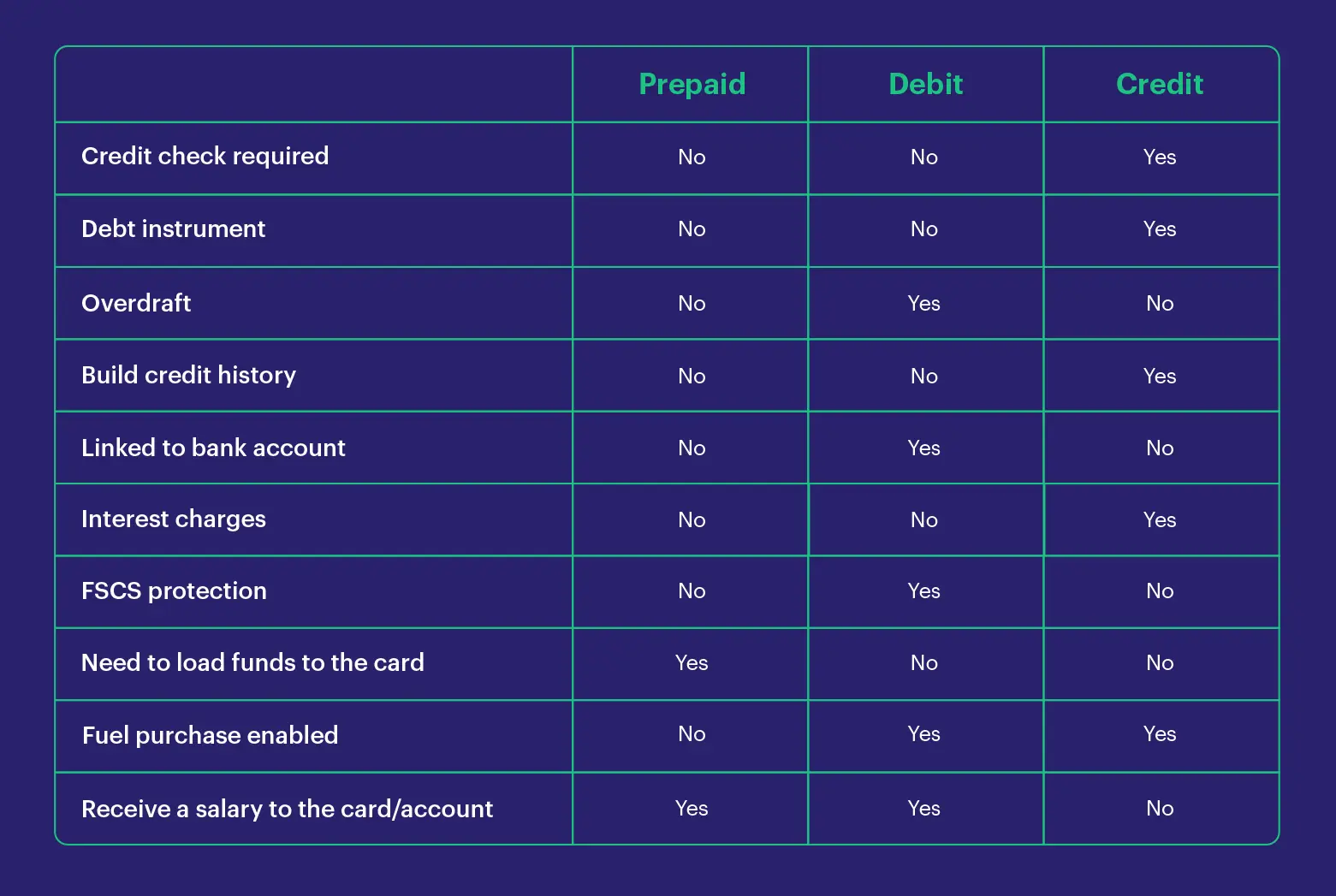
Prepaid cards
(Including gift cards and general purpose prepaid cards)
A single or multi-use payment card with money loaded onto it. Used like a debit card to buy things or, where applicable, withdraw cash up to a fixed amount.
Key characteristics
- Mainly used for disbursements, welfare payments, travel money, and gift cards.
- Often a lower barrier is set to identity verification with lower, Know Your Customer (KYC) requirements. KYC is about making sure you can verify your customer’s identity, suitability, and risks of doing business with them. (Due to the reduced risk associated.)
- Flexible – you don’t need a bank account to be directly linked to the card, but you can use it to make standing orders and other recurring payments and pay a regular salary into it.
- Popular with fintechs as a quick route to market, plus prepaid flexibility has evolved since the very early pays of this card type.
- As value is pre-loaded, prepaid is sometimes considered lower risk than debit for the issuer.
- If not part of a major card network (scheme), coverage, and therefore card acceptance, may be limited.
Real-world example
A £100 rebate card is offered by a phone network to consumers purchasing the latest smartphone. The card is loaded in real-time when the cardholder buys a phone, and is no longer usable once they have spent their £100 value.

Debit cards
A payment card associated with a linked bank account that allows you to buy online and in shops, with payments taken directly from that account.
Key characteristics
- Commonly offered by traditional banks but also available from many neo/digital banks for both corporate and consumer use.
- Needs to be linked to an account with an attached IBAN or sort-code/account number.
- Often comes with the ability to make standing orders, direct debits and set up recurring payments.
- Frequently allow customers to have an overdraft by arrangement.
- Don’t require a customer to ‘prefund’ or ‘load’ money onto the card before use as they’re linked to the underlying account.
Real-world example
A digital bank issues a new customer a debit card linked to their current account. The debit card is designed with the bank’s custom logo and can be added into a digital wallet. Worth noting that where a customer’s account is directly connected to a debit card these can be more prone to fraud. A credit card offers a level of protection on transactions as well as a layer of abstraction between a current account and card.

Credit cards
A credit card is a payment card that lets cardholders spend money on credit – it’s like having a loan for the amount you spend using the card.
Key characteristics
- Linked to a revolving line of limited credit determined by the lender’s appetite for risk and the affordability for the customer to repay.
- Require repayments based on the terms of the credit agreement provided by the card programme owner. Typically, minimum monthly payments but sometimes instalment plans.
- In Europe, credit cards offer a marginal benefit over debit card issuers as interchange (the charge levied on an acquirer for each transaction) rates are 10 basis points (bps) higher.
- Usually include other benefits for consumers and businesses such as insurances and loyalty points. These tend to be funded from interchange and the underlying revenues from using credit facilities.

Physical v Virtual cards
Physical debit, credit and prepaid cards can all take a virtual form and can be used to make online as well as in-app purchases. You can also make purchases through mobile payment services like Apple Pay, Google Pay and Samsung Pay (See tokenised cards for further information). There are a few characteristics of virtual cards that can make them more attractive than just a standalone physical card proposition.
Key characteristics
- Has a 16-digit number, an expiry and a CVV (Card Verification Value: the three- digit number on the back of a card) like physical cards, but is stored on your phone.
- Single-use card numbers generated for each purchase that expire once used
- A negligible physical cost of creating or sending cards to users
- Quick to activate and ready to use in minutes
- No risk of losing a virtual card! (But card security and protection is still paramount)
- Easy to ‘freeze’ if fraud is suspected or the user’s phone is lost or stolen
Real-world example
A multi-use virtual card is issued to an online retail marketplace who uses it to pay multiple suppliers associated with a large order. The card is loaded with funds only once and is terminated after payments are completed successfully.

Continue reading
Previous
How we got here
What is the context of the card and payments landscape? Learn how the sector evolved into the trillion dollar industry it is today.
Next
The card ecosystem
The bedrock of the card ecosystem is the ‘four-party model’. It’s the industry’s accepted framework for processing digital or physical card payments between buyers and sellers. Discover its various elements and where they sit.

Built for where you're going, not just where you are
Work with a partner that adapts with your roadmap, not one you’ll outgrow.