Retail’s profitability puzzle: How modern payment strategies can help drive growth
Embedded finance
BNPL
Retail
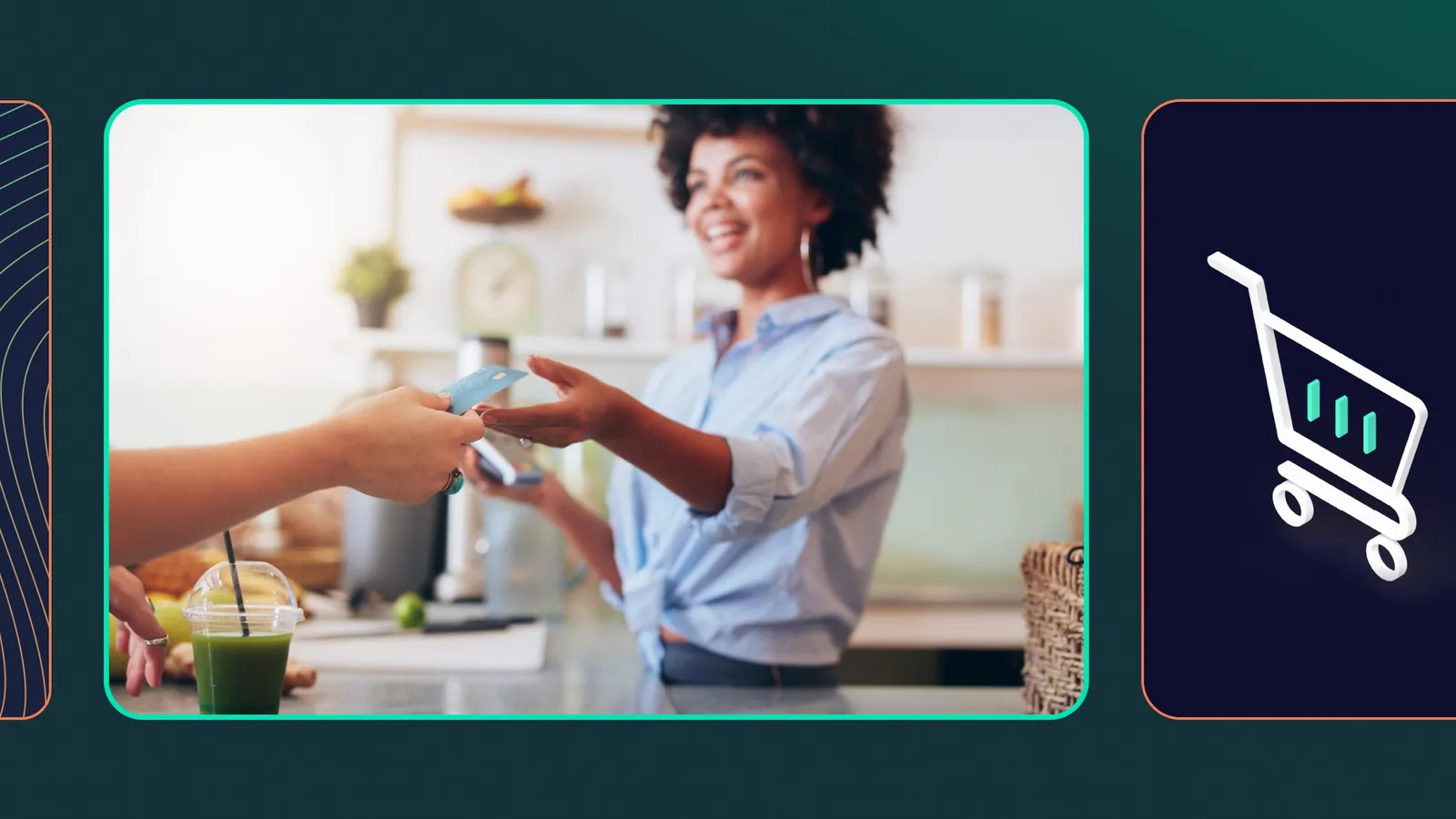
Card-issuing platforms like Marqeta enable BNPL providers to issue virtual cards on Visa and Mastercard networks that work at any merchant accepting those networks—eliminating the need for direct merchant integrations. This capability is transforming how retailers and payment providers deliver flexible financing options to consumers.
The past few years have been anything but predictable for the retail industry. As profit margins tighten and consumer behaviors shift, retailers are being asked to do more with less. This includes retaining loyal customers, competing with digital-first brands, managing inventory disruptions, and staying relevant across physical and digital touchpoints.
But amid all this change, one area often gets overlooked as a lever for growth: payments.
Many retailers are exploring modern payment strategies—particularly those involving Buy Now, Pay Later (BNPL) and other flexible, embedded finance capabilities—that can enhance the checkout experience, improve efficiency, and support customers' evolving financial preferences.
This blog examines how payment innovation, including solutions such as Buy Now, Pay Later (BNPL), may help retailers navigate today's challenges while laying the groundwork for long-term profitability.
1. The retail profitability challenge
Retailers are no strangers to tight margins, but pressure continues to heat up in 2025. Rising customer acquisition costs, potential supply chain complexity, potential tariffs, and growing expectations for seamless omnichannel experiences all contribute to margin pressure.
While investments in logistics, merchandising, and customer engagement are essential, many retailers overlook one of the most influential parts of the customer journey: the point of sale (POS) and the potential for a more integrated payment function.
Simply put, when the checkout process is flexible, intuitive, and personalized, it can reduce friction. This helps improve conversions, average order value, and customer satisfaction.
2. The rise of BNPL in retail
Buy Now, Pay Later services have experienced substantial growth in the U.S. Total BNPL spending reached $75.1 billion in 2024, a 14% increase over 2023. This highlights the increasing consumer demand for flexible payment options.
For retailers, BNPL can help:
- Increase purchasing power by breaking large purchases into manageable installments
- Boost average order value (AOV) while reducing cart abandonment
- Provide a low-friction financing option without the overhead needed to manage credit risk internally
While many retailers have already begun experimenting with BNPL at checkout, the next opportunity lies in how they deliver these options—and how easily they can be integrated and scaled.
Checkout-based vs. card-issuing BNPL: Understanding the difference
Traditional checkout-based BNPL requires merchants to integrate directly with providers like Klarna or Affirm at the point of sale. This limits BNPL availability to participating retailers.
Card-issuing BNPL platforms take a different approach. They issue virtual cards on major payment networks, enabling consumers to use installment plans at any merchant accepting Visa or Mastercard—without requiring merchant integration. This model dramatically expands BNPL accessibility.
3. Flexible BNPL delivery for a fragmented market
With 71% of U.S. consumers using contactless payments and over half actively using mobile wallets, consumers are already comfortable transacting digitally. Retailers that integrate BNPL are meeting users exactly where they are—on their phones and in their wallets.
To help address the scalability gap across platforms, Marqeta introduced Marqeta Flex. This solution enables BNPL providers, digital wallets, and card issuers to offer flexible, personalized financing options—all within a single integration. Marqeta Flex is being developed with leading payment providers including Klarna and Affirm.
Flex enables BNPL programs to be delivered through virtual cards. These cards are tokenized and provisioned directly into digital wallets or apps. This allows consumers to pay using installment plans at millions of merchants that accept card payments.
How BNPL card issuance works
- BNPL provider integrates with Marqeta's platform
- Virtual card is issued on Visa or Mastercard network
- Card is tokenized and provisioned to digital wallet
- Customer pays at any network-accepting merchant
- BNPL provider manages repayment schedule
Here's how it helps the ecosystem:
- BNPL providers can distribute their programs more widely without needing direct merchant integrations
- Digital wallets and neobanks can embed multiple BNPL options in a single, consistent user experience
- Retailers can offer a broader range of payment choices—increasing flexibility at checkout without changing their existing payment infrastructure
4. How BNPL can strengthen customer loyalty
Payment flexibility can increase conversion and play a significant role in customer retention.
When consumers feel financially empowered, they can choose how and when to pay. This can help improve the odds of becoming a return customer. Installment plans can also help reduce the financial stress of larger purchases.
According to Marqeta's 2025 State of Payments Report, rewards and ease-of-use are top drivers for card selection among U.S. consumers. Flexible payment methods like BNPL, especially when integrated with mobile wallets and personalized reward programs, provide retailers a compelling way to remain top-of-mind and top-of-wallet.
Platforms that offer dynamic BNPL options tailored to different buyer profiles and spending behaviors can help create a more personalized shopping experience.
5. Operational efficiency through smarter payments
Beyond the customer-facing benefits, payment innovations can also unlock operational advantages for retailers.
Using modern payment platforms that support virtual card issuance, tokenization, and real-time spend controls, retailers and BNPL providers can:
- Streamline settlement and authorization workflows
- Minimize fraud exposure with granular control over card use
- Reduce onboarding friction through pre-integrated infrastructure
Marqeta's platform has been proven at scale, processing more than $200 billion in annual payments volume in 2023. Marqeta is certified to operate in more than 40 countries worldwide.
6. How Marqeta enables universal BNPL acceptance
Marqeta Flex provides the infrastructure for BNPL providers to reach consumers everywhere cards are accepted. Key capabilities include:
- Just-in-Time funding: Authorize transactions in real-time with precise spend controls
- Tokenization: Secure card credentials for digital wallet provisioning
- Open APIs: Flexible integration options for rapid deployment
- Single integration access: Connect to multiple global BNPL providers through one platform
- Compliance support: Built-in regulatory and security frameworks
With a single integration with Marqeta Flex, providers have access to a variety of global BNPL providers. This increases the speed at which they can build and launch card solutions offering flexible payment methods.
7. Key considerations for retailers exploring BNPL
For retailers considering new BNPL options, it's important to ask:
- Can the BNPL solution integrate without disrupting current checkout flows?
- Is it scalable across e-commerce and POS?
- Does it support tokenization for security and fraud mitigation?
BNPL solutions are designed to support those needs, working in partnership with providers and sponsor banks to bring more flexibility and control into the payment experience.
Payment innovation as a growth lever
Payment experiences are no longer backend utilities—they're central to the customer journey and increasingly to a retailer's bottom line.
By investing in flexible, scalable payment infrastructure, retailers can enhance profitability, build consistent consumer experiences, and deliver additional capabilities in a fast-changing commerce environment.
Whether you're looking to expand payment options, support new customer segments, or reduce checkout friction, modern payment tools can help your retail business achieve more.
Curious how Marqeta Flex and BNPL services could fit into your payment strategy?